Somewhere in most drywall estimates is a line that says "Level 4 finish" or "Level 5 skim," and most homeowners nod past it. It's worth a minute, because the finish level is the biggest single driver of how a wall looks under paint, and it's also a place where people pay for something they don't need or get shortchanged on something they do.
The levels come from an industry standard published by the gypsum and painting trade associations. Here's what each one means, in plain terms, and where it belongs.
The six levels
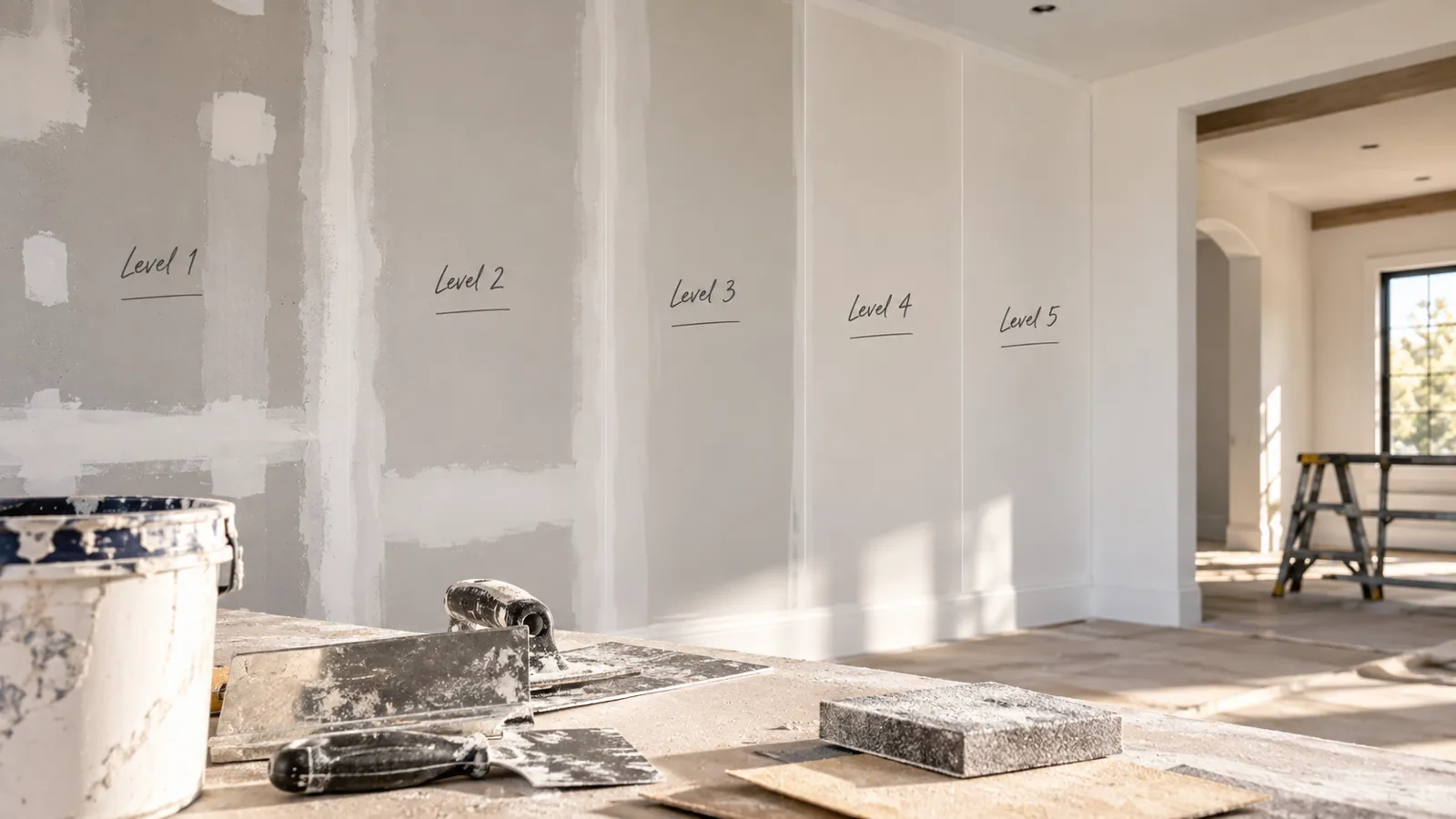
Level 0. Nothing. Board hung, no tape, no compound. Used for temporary construction or when the finishing is being done later by someone else.
Level 1. Tape embedded in compound over the joints, and that's it. Tool marks and ridges are fine. This is a fire-taped finish: it's what makes a fire-rated wall continuous at the seams, and it's what you'll see above a drop ceiling in a commercial space or in an attic.
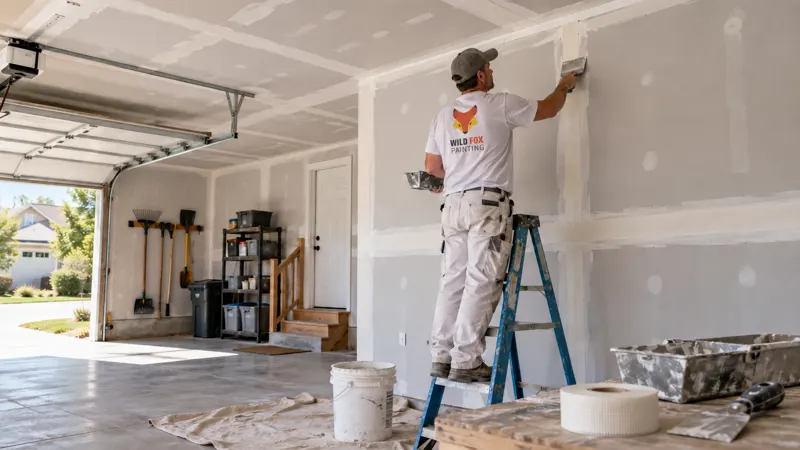
Level 2. Tape embedded, one thin coat of compound over the tape and the fastener heads. Used in garages, storage rooms and anywhere that'll get a heavy wall covering like tile.
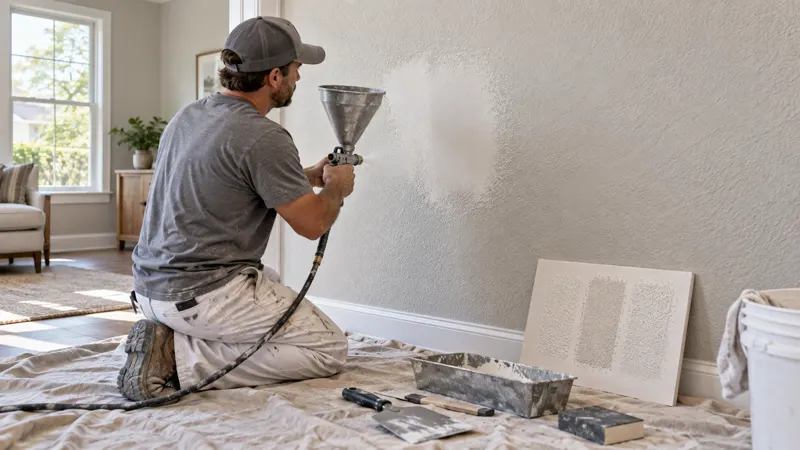
Level 3. Tape embedded, two coats over joints and fasteners, smoothed. This is the base for a heavy sprayed texture such as a coarse knockdown, which hides what a thinner texture wouldn't.
Level 4. Tape embedded, three coats over joints and fasteners, sanded smooth. This is the standard for most walls and ceilings in a home, and the right base for a light texture like orange peel or a tight knockdown, or for a flat or matte paint on a wall that isn't in critical light.
Level 5. Everything in Level 4, plus a thin skim coat of compound over the entire surface. The skim evens out the difference in texture between the paper face of the board and the compound over the joints, which is otherwise visible under certain paint and light. This is the flattest, most uniform finish drywall gets.
The variable that decides it: light
Two things determine which level a wall needs. The first is what's going on top of it. A heavy texture hides a lot; a smooth wall hides nothing. The second, and the one most often ignored, is how the wall will be lit.
Light that hits a wall at a low angle, from a big window on the same wall, a skylight, or a row of recessed cans washing down it, is called critical light. It turns every ridge, every slightly proud seam and every difference in surface texture into a shadow. A Level 4 wall that looks perfect at noon can show every joint at four in the afternoon when the sun rakes across it.
That's what Level 5 is for. The skim coat makes the whole surface one material with one texture, so there's nothing for critical light to catch.
Room by room
- Garage, storage, mechanical room: Level 2. Anything more is money spent on a wall nobody looks at. A garage wall that's part of the fire separation from the house gets fire-taped and finished to whatever the plan calls for.
- Bedrooms, hallways, most living areas with knockdown or orange peel: Level 4. This is the workhorse, and the right answer for most of the house.
- A great room with a two-story wall of windows, a hallway with a skylight, a media room with wall-washing light: Level 5, especially if the walls are smooth.
- Any smooth, untextured wall: Level 5. Smooth walls are the fashion in newer and remodeled homes, and they're unforgiving. A smooth Level 4 wall will show its seams in the right light within a week of the paint drying.
- Ceilings under side lighting: Ceilings are the most critically lit surface in a house because windows light them from the side by default. A smooth ceiling wants Level 5. A textured one is fine at Level 4, which is part of why textured ceilings are so common here.
- Walls getting satin or semi-gloss: Anything shinier than matte reflects light and shows more. Satin or semi-gloss on a wall wants a higher finish than the same wall in flat.
What Level 5 actually costs you
A skim coat adds a full pass over every square foot: another coat of compound, another dry time, another sanding. It's meaningfully more labor than Level 4, which is why it shouldn't be the default for every wall in a house. Spend it where the light demands it and skip it where a texture will cover.
When we walk a project, we recommend a level for each surface rather than one number for the job, and the estimate says which surfaces get which. If you see "Level 5 throughout" on a bid for a house full of knockdown, ask why.
Where paint comes in
Finish level is only half of the equation. New drywall and compound drink paint differently from each other, and even a Level 5 wall will flash, showing blotchy sheen, if it's painted without a proper drywall primer first. A PVA primer seals the surface so the finish coats go on uniformly.
That's the handoff between the two teams. We finish to the level the room needs and prime the new texture; our sister team at Wild Fox Painting takes it from there. Two specialty teams, one coordinated handoff: one estimate, one schedule, one point of contact.
If you're getting bids on new drywall, an addition or a basement and the finish level isn't spelled out, send us the plans or a few photos. We'll tell you what each room needs and put a written, itemized estimate in front of you within 24 hours.